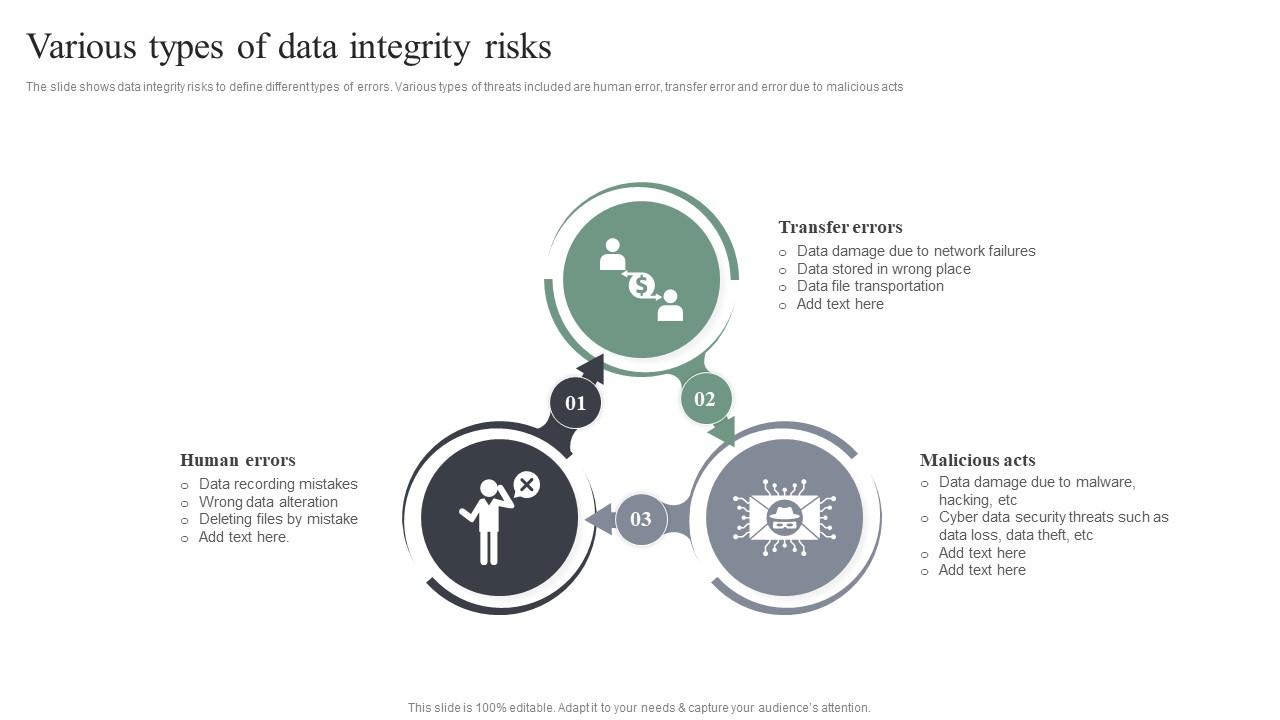
The integrity of professional Dota 2 competition has become increasingly scrutinized in recent years, with match manipulation and suspicious betting activity emerging as significant concerns for the esports betting community. As the competitive landscape continues to evolve, bettors worldwide must understand the mechanisms through which integrity breaches occur, how regulatory bodies respond, and what protective measures they should implement when wagering on Dota 2 matches. The intersection of competitive gaming and financial betting creates unique vulnerabilities that require informed decision-making from all participants in the ecosystem.
Match integrity violations in Dota 2 represent one of the most significant risks facing international bettors today. Unlike traditional sports where physical performance limitations create natural constraints on outcome manipulation, esports presents unique vulnerabilities. Professional players possess the technical skill and game knowledge to deliberately underperform or throw matches without obvious detection. The relatively young regulatory framework in esports means that enforcement mechanisms are still developing, creating windows of opportunity for bad actors to exploit betting markets.
Recent integrity alerts across competitive esports have revealed patterns that concern betting regulators and operators globally. Across all esports titles and regions, approximately 70 total suspicious alerts have been documented, with a significant portion involving Dota 2 matches. In a recent quarter alone, 15 esports alerts were issued, highlighting the ongoing nature of these concerns. These alerts typically emerge from unusual betting patterns, statistical anomalies in match outcomes, or player testimony regarding pressure to manipulate results. For bettors, understanding that these alerts exist provides crucial context for evaluating risk when placing wagers.
The motivations behind match manipulation in Dota 2 vary considerably. Some players face financial pressure from personal circumstances or coaching staff demanding specific results. Others become involved through criminal organizations that systematize match fixing across multiple esports titles. Still others may be influenced by match fixers who approach them with financial incentives. Regardless of the motivation, the outcome for bettors remains the same: artificially manipulated matches that contradict expected performance levels and legitimate competitive outcomes.
The Role of ESIC in Protecting Betting Integrity
ESIC Sanctioning and Enforcement Actions
The Esports Integrity Commission functions as the primary regulatory body investigating and sanctioning integrity violations across competitive esports. ESIC’s authority extends to issuing bans, fines, and public warnings against players, teams, and organizations found to have engaged in match fixing, corruption, or related misconduct. These enforcement actions directly impact betting markets because they remove compromised players from competition and signal to the broader community that integrity violations carry serious consequences.
Recent high-profile cases demonstrate ESIC’s commitment to enforcement. The organization imposed a four-year ban against a professional player for involvement in match fixing activities, representing one of the most severe sanctions issued in recent memory. This particular case underscored how ESIC investigates player behavior, collects evidence from multiple sources including betting data and player communications, and renders judgments that substantially impact competitive integrity. For international bettors, such sanctions provide reassurance that regulatory mechanisms exist and function, though they also highlight that integrity violations have already occurred before bans are issued.
Predictive Value of ESIC Investigations
ESIC investigations often begin after suspicious betting patterns or match outcomes have already affected markets. This lag between the actual integrity violation and regulatory discovery creates a window where bettors may have wagered on compromised matches without knowing the underlying manipulation. Understanding this timing dynamic helps bettors appreciate why staying informed about ongoing investigations and regulatory scrutiny of specific players or teams matters significantly for risk management.
Identifying Red Flags in Dota 2 Betting Markets
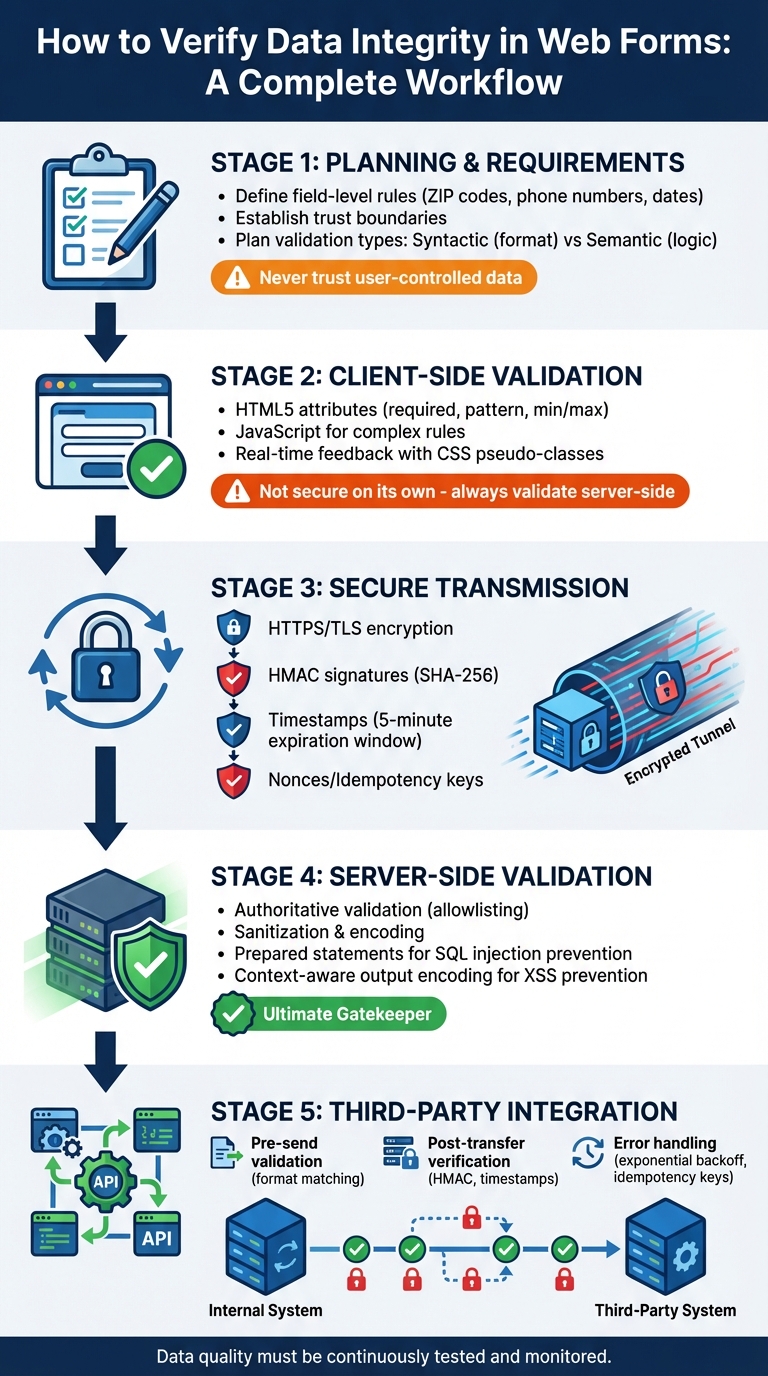
Experienced bettors develop sensitivity to warning signs that may indicate integrity concerns. Unusual betting volume concentrated on specific outcomes, dramatic odds movements that contradict team performance trends, or statistical anomalies in player performance metrics can all suggest potential manipulation. When a heavily favored team suddenly shows uncharacteristic weakness against significantly weaker opposition, or when individual players perform far below their established skill levels, these patterns warrant caution.
Betting operators and data analysts employ sophisticated algorithms to detect suspicious patterns. Lines that shift dramatically in unexpected directions, particularly when accompanied by heavy wagering on unlikely outcomes, trigger automated alerts within sportsbooks. Smart bettors monitor public information about which matches have generated regulatory scrutiny or investigation, as this information becomes available through ESIC announcements and esports news outlets. Teams or players with histories of integrity concerns represent higher-risk betting propositions, regardless of their current competitive standing.
Tournament context matters significantly when evaluating integrity risk. Lower-tier competitions with smaller prize pools and less rigorous oversight present higher corruption risks than major international tournaments with extensive broadcast coverage and regulatory presence. Similarly, matches with limited viewership or those occurring during off-season periods may attract match fixers seeking to operate with reduced visibility. Conversely, matches at The International or other premier Dota 2 tournaments typically feature enhanced security protocols and regulatory oversight that reduce manipulation likelihood.
Strategic Approaches to Risk Management in Dota 2 Betting
Prudent bettors implement systematic approaches to integrity risk management. Establishing personal position limits ensures that no single wager represents an excessive portion of betting bankroll, protecting against catastrophic losses should integrity violations affect specific matches. Diversifying bets across multiple matches and tournaments reduces exposure to any single integrity event. Focusing on major tournaments with enhanced regulatory presence rather than minor competitions decreases overall corruption risk exposure.
Maintaining awareness of current player and team circumstances provides valuable context for evaluating integrity risk. Players facing financial difficulties, those recently sanctioned or investigated, or those with documented histories of integrity concerns warrant additional scrutiny. Teams experiencing internal conflict or coaching staff changes may present elevated manipulation risk. Conversely, organizations with strong reputations for professionalism and transparent operations offer relatively lower-risk betting opportunities.
Documentation of betting decisions and outcomes helps bettors identify patterns in their own decision-making. Reviewing bets placed on matches later revealed to involve integrity violations provides learning opportunities for improving future risk assessment. Bettors who maintain records can identify whether they tend to overlook certain warning signs or whether they successfully avoid compromised matches through disciplined analysis.
Learning from Recent Integrity Cases and Market Reactions
When ESIC announces investigations or sanctions related to specific players or matches, betting markets typically react through changed odds and reduced liquidity on affected events. Studying how markets respond to integrity revelations helps bettors understand which information sources prove most reliable and how quickly odds adjustment occurs following regulatory announcements. Some bettors position themselves ahead of expected market reactions to integrity news, though this strategy requires careful consideration of whether such positioning aligns with responsible gambling principles.
Historical case studies within Dota 2 reveal that integrity violations often involve coordinated activity across multiple matches rather than isolated incidents. When investigators uncover one instance of match fixing, subsequent investigation frequently reveals additional compromised matches. This pattern suggests that bettors who notice one suspicious outcome should increase caution regarding future matches involving the same players or teams, as integrity concerns may extend beyond individual events.
Protecting Your Betting Portfolio Against Integrity Risks
International bettors should prioritize operators and platforms that demonstrate commitment to integrity protection. Sportsbooks investing in sophisticated monitoring systems, maintaining compliance with regulatory bodies, and transparently communicating about suspicious activity detection provide relatively safer betting environments. Operators that cooperate with ESIC investigations and implement player verification procedures offer better protection than those operating in regulatory gray areas.
Staying informed through legitimate esports news sources, ESIC announcements, and industry publications provides essential context for integrity risk assessment. Following professional Dota 2 teams and players on official channels helps bettors understand competitive dynamics and identify warning signs of internal problems that might correlate with integrity concerns. Engaging with the broader esports betting community through forums and discussion groups exposes bettors to collective intelligence about emerging risks and suspicious patterns.
Remember that responsible gambling means understanding that while integrity violations represent genuine risks, they remain relatively rare occurrences within professional Dota 2. The vast majority of matches proceed with full competitive integrity, and most professional players maintain ethical standards throughout their careers. However, acknowledging that integrity risks exist and implementing appropriate protective measures represents mature, informed betting behavior. Never wager more than you can afford to lose, and view betting as entertainment rather than income generation. If you find yourself struggling with gambling control, seek support from organizations dedicated to gambling addiction prevention and treatment. Betting should enhance your enjoyment of Dota 2 competition, not create financial or emotional distress.

Written by